About the practice
Rachel Simmons, Ph.D. is a licensed clinical psychologist specializing in the treatment of body dysmorphic disorder, OCD, anxiety disorders, and body focused repetitive behaviors. She has an office in Rhode Island and provides telehealth to adults who reside in Rhode Island, Massachusetts, New York, Iowa, and all participating states under PSYPACT.
Dr. Simmons has more than 15 years experience providing evidence based therapies including exposure and response prevention (ERP), inference based therapy (I-CBT), cognitive-behavioral therapy (CBT), habit reversal training, and compassion focused therapy. Before her private practice, Dr. Simmons worked at the Body Dysmorphic Disorder Program at Rhode Island Hospital.
Dr. Simmons is a Clinical Assistant Professor at Brown’s Warren Alpert Medical School where she supervises and teaches psychology residents. She regularly gives presentations on topics related to OCD and BDD.

Education
NewYork-Presbyterian Hospital/Cornell University
Post-Doctoral Fellowship
Graduate School of Arts and Sciences, University of Pennsylvania
M.A. and Ph.D. in Clinical Psychology
Columbia College, Columbia University
B.A. in Environmental Biology
Northfield Mount Hermon School
Training
Post Graduate Training and Supervision in I-CBT, Compassion Focused Therapy, and Acceptance and Commitment Therapy (ACT)
Rhode Island Hospital Body Dysmorphic Disorder Program, Study Clinician
Massachusetts General Hospital, IOCDF Behavior Therapy Training Institute (BTTI)
Weill Cornell Medical College/NewYork-Presbyterian Hospital, Postdoctoral Fellowship
Long Island Jewish Medical Center, Adult Psychology Internship
Bellevue Hospital, Addiction Psychology Externship
Philadelphia VA Medical Center, Psychology Externship
University of Pennsylvania Mood Disorders Clinic, Psychology Practicum
Anxiety and Agoraphobia Treatment Center in Bala Cynwyd, PA, Psychology Externship
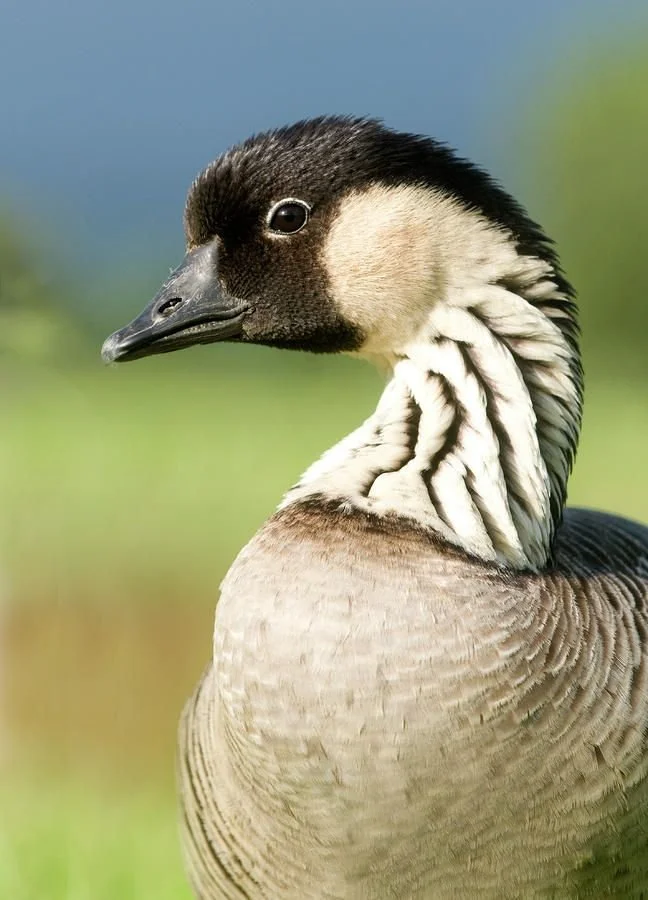
Why Nene Psychology?
The nene is a Hawaiian goose, believed to descend from Canada geese that strayed far off their migration path 500,000 years ago. Arriving somewhere entirely unfamiliar, the birds adapted and made it home. The species later came close to extinction, and through years of conservation work, slowly recovered. I named the practice after the nene because I love what it represents: finding yourself somewhere you never planned to be, and not just getting by there, but finding a way to thrive.